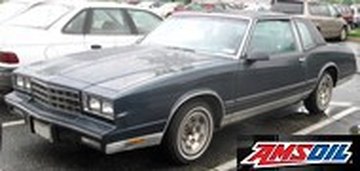
Maintaining the 5.7L Diesel Engine in a 1982 Chevrolet Monte Carlo
Owning a classic vehicle like the 1982 Chevrolet Monte Carlo requires a shift in perspective from modern automotive maintenance. When dealing with the specific requirements of the 5.7L diesel engine, consistent attention to lubrication and fluid integrity is essential for long-term operation. Because diesel engines operate under different mechanical stresses than gasoline counterparts, following a disciplined service routine can help manage the unique needs of this powertrain.
Monitoring Fluid Integrity and Potential Leaks
A primary component of routine engine care involves regular visual inspections to identify any signs of fluid loss. For an engine of this age, it is practical to periodically check for evidence of seepage around various sealing surfaces. Rather than waiting for a significant puddle to form under the vehicle, look for dampness or staining on the engine block or surrounding components.
When performing these inspections, consider the following:
- Sealing Surfaces: Inspect gaskets and seals for signs of age-related seepage. Even minor weeping can indicate that a seal is beginning to lose its effectiveness.
- External Components: Check around any visible connection points or housing areas for traces of oil.
- Fluid Appearance: If you are able to safely check the lubricant, note any unusual color or consistency changes that might suggest contamination.
If you notice unexpected fluid loss, it warrants a closer investigation to determine the source. Addressing minor seepage early can prevent more significant issues from developing as the vehicle continues to age.
Managing Long-Term Engine Health
For owners of a 1982 Chevrolet Monte Carlo, establishing a maintenance baseline is one of the most effective ways to ensure the longevity of the 5.7L diesel engine. If you have recently acquired the vehicle and do not have access to a comprehensive service history, your first priority should be documenting its current state.
Reviewing any available repair records can provide insight into what has been addressed in the past. If no records exist, begin by performing a thorough inspection of all major service items. This includes checking the condition of hoses and electrical connections, as well as inspecting accessible belts, if equipped. By creating a contemporary record of these observations, you can better track how the vehicle's needs change over time.
Prioritizing maintenance based on current condition is often more effective than following generic age-based assumptions. For example, an engine that shows no signs of leakage or unusual noise may require different immediate attention than one showing active signs of wear. Focus your efforts on addressing any identified warning signs or overdue service tasks first to stabilize the vehicle's operating condition.
Observing Potential Operational Changes
Staying attuned to how the engine behaves during operation is a vital part of proactive ownership. While many mechanical issues develop gradually, certain symptoms can serve as early indicators that something requires professional attention. It is important to remember that various symptoms can have multiple underlying causes, so an observation should be treated as a prompt for inspection rather than a definitive diagnosis.
Be mindful of the following:
- Changes in Lubricant Consumption: If you find yourself needing to add oil more frequently than previously noted, this change warrants investigation.
- Unusual Noises: Any new or persistent mechanical sounds during startup or steady-state operation should be monitored.
- Exhaust Observations: Changes in the color or consistency of exhaust smoke can sometimes be associated with changes in engine combustion or lubrication efficiency.
- Warning Indicators: Pay close attention to any dashboard lights or gauges that deviate from their normal operating ranges.
If any of these signs occur, a systematic inspection is the best course of action to identify the root cause and prevent further complications.
Practical Inspection of Engine Accessories
Beyond the engine itself, several peripheral components play a role in maintaining a stable operating environment. During routine service, it is beneficial to inspect the various systems that support the 5.7L diesel engine. For instance, if the vehicle is equipped with an air filtration system, ensuring the filter is clean and free of debris is essential for proper intake. Similarly, inspecting the condition of cooling-system hoses can help prevent unexpected overheating issues.
If your Monte Carlo utilizes a belt-driven accessory system, inspect all accessible belts for signs of deterioration such as cracking, glazing, or fraying. Keeping these components in good condition helps ensure that engine accessories function reliably. Furthermore, checking the integrity of electrical connectors and wiring can prevent intermittent issues caused by corrosion or heat-related wear.
Selecting Lubricants for the 5.7L Diesel
The selection of an appropriate lubricant is a critical decision for any diesel engine owner. Because different formulations offer varying levels of protection, it is important to choose a product that aligns with the specific requirements of your application. Modern oil technology provides several options, including conventional oils, synthetic blends, and full synthetic formulations.
Some high-mileage oil formulations contain additives intended for use in aging engines, such as seal-conditioning agents. These can be useful considerations if you are managing an older engine with various sealing surfaces. Additionally, when selecting a product, always verify that it meets the appropriate API certification standards to ensure it provides the necessary chemical stability and protection for diesel combustion environments.
When you are ready to perform service, match the engine oil to the application-specific viscosity information shown on this page. Using the correct grade is vital for maintaining proper lubrication throughout the various operating temperatures of the engine.
Buying Engine Oil for your 1982 Chevrolet Monte Carlo 5.7L
When you are ready to purchase new lubricant, do not rely on general automotive knowledge or assumptions based on the vehicle's age. Instead, use the application-specific oil viscosity and requirements already displayed in the technical information section of this webpage. This ensures that the product you select is compatible with your specific 5.7L diesel engine.
Before completing your purchase, check the product labeling to confirm it meets the necessary specifications. Whether you decide on a conventional, synthetic blend, or high-mileage formulation, the most important factor is that the oil matches the viscosity and quality standards listed for this exact vehicle. By following the specific guidance provided in the application data above, you can ensure your 1982 Chevrolet Monte Carlo receives the correct lubrication for continued service.